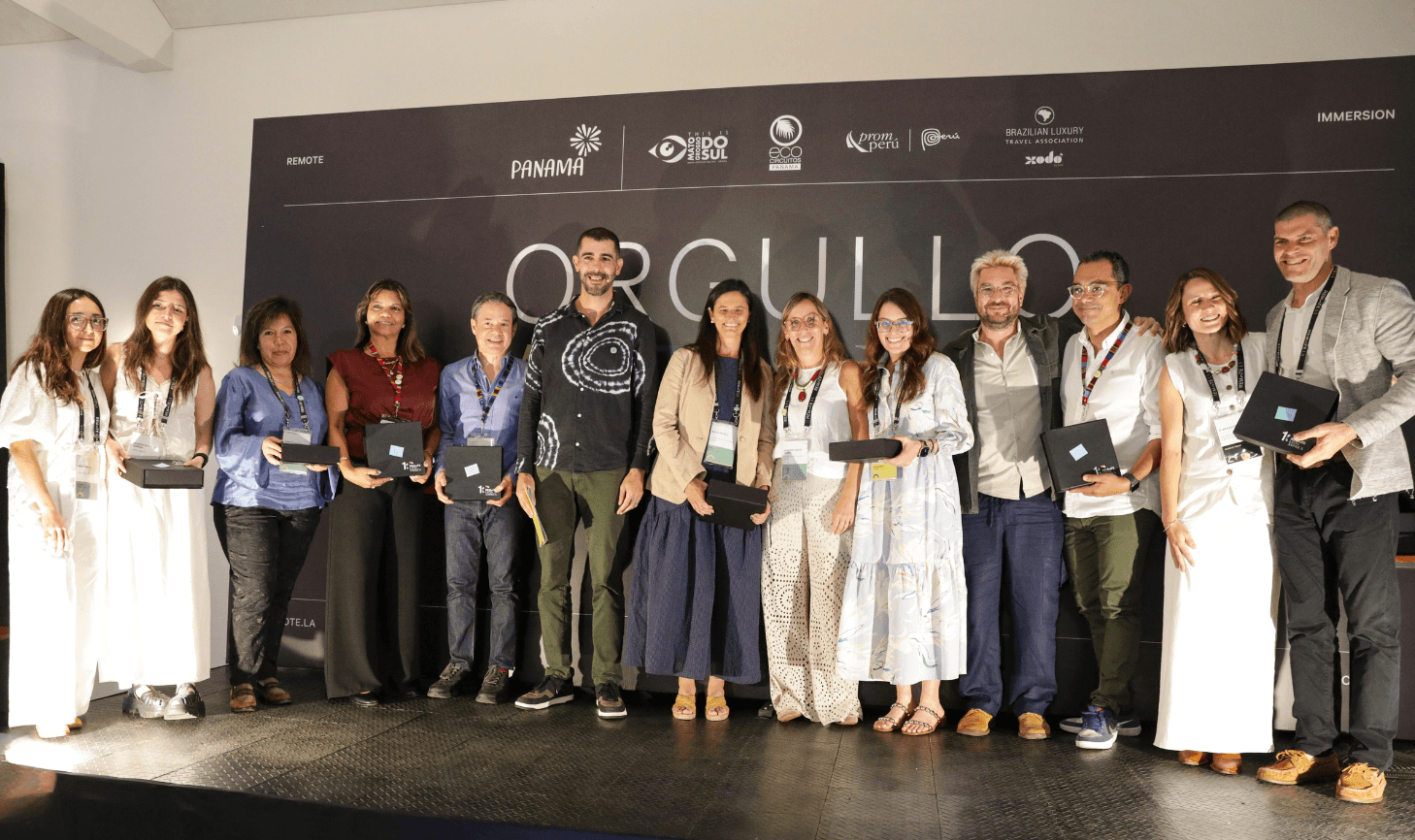
At our first REMOTE Expedition, we introduced the REMOTE Circles, a new series of group conversations designed to give every Expeditioner a chance to exchange ideas, learn from others, and help shape discussions about the future of tourism in the host destination. By bringing together perspectives from across the travel industry, the Circles invites participants to reflect on how tourism is practiced today and what a more responsible approach could mean for the people and places that welcome travelers.
At REMOTE Expedition in Valle del Colca, Peru, we hosted three Circles over three evenings. Peruvian facilitator Dá Sánchez led activities inspired by Peru’s history and living cultures, drawing on knowledge and practices passed down through generations in Andean communities. Expeditioners set aside their phones, spoke from experience, and listened closely to one another. The conversations gave us time to reflect, develop ideas together, and share a few laughs.
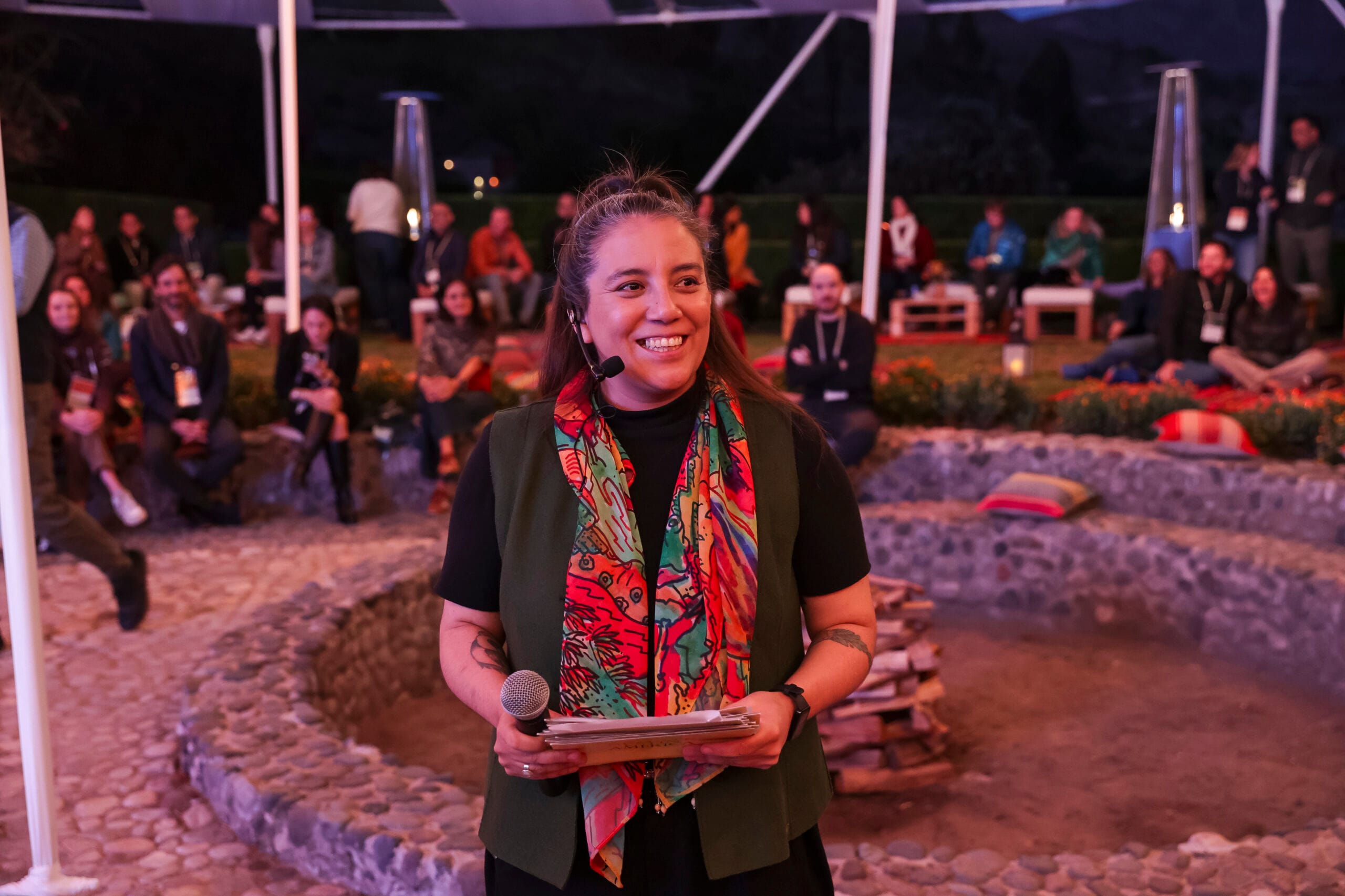
We planned the three evenings as threads in a single conversation. On the first evening, we asked where else in Peru travelers could go beyond Machu Picchu and other iconic destinations. On the second, we explored how tourism could engage with living cultures in ways that feel genuine and respect the people who share them. On the third, we looked ahead to the kind of tourism we want to cultivate in Peru and what each of us could realistically do to help shape it.
Night 1 Where
How can Peru broaden its tourism map beyond its most famous icon?
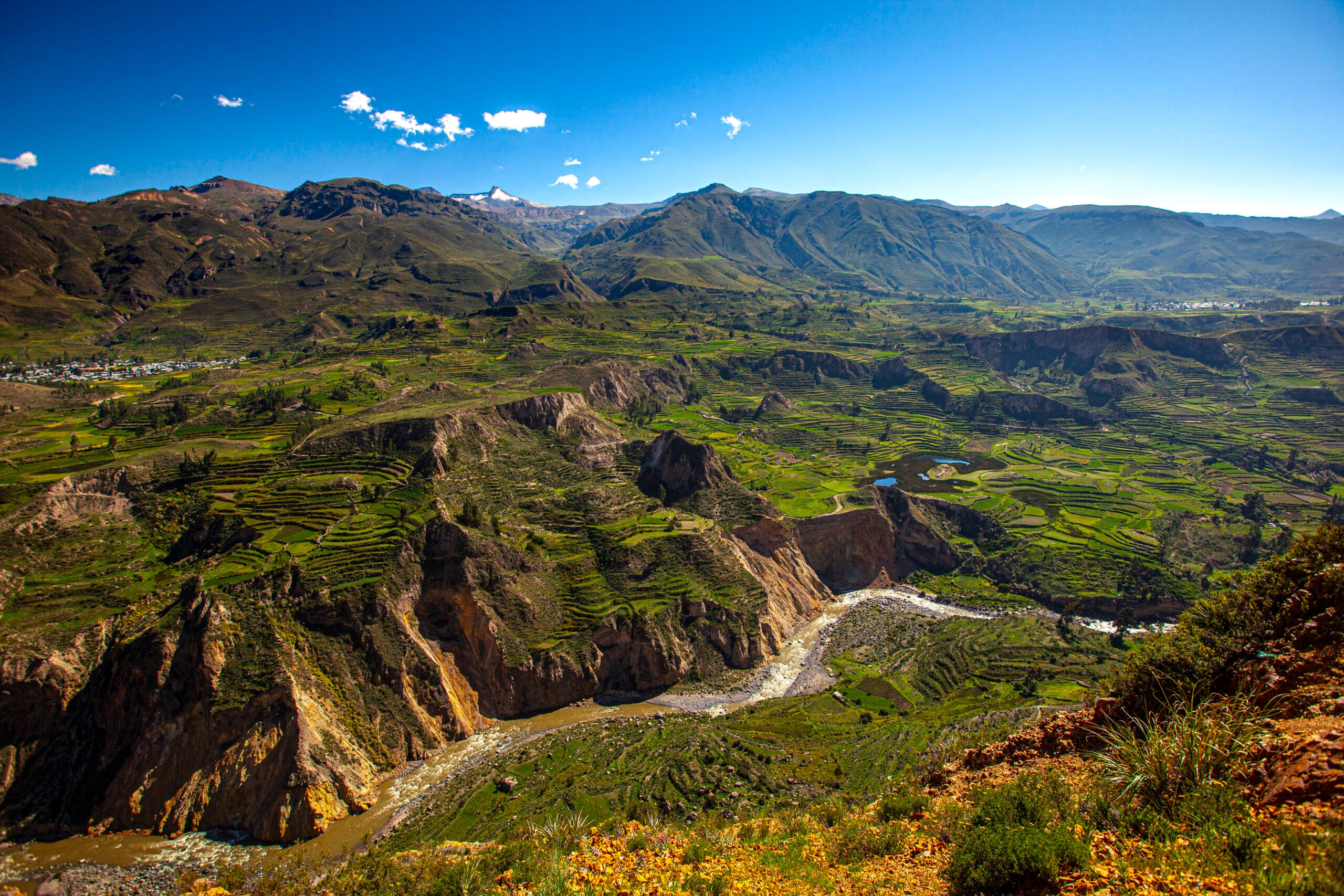
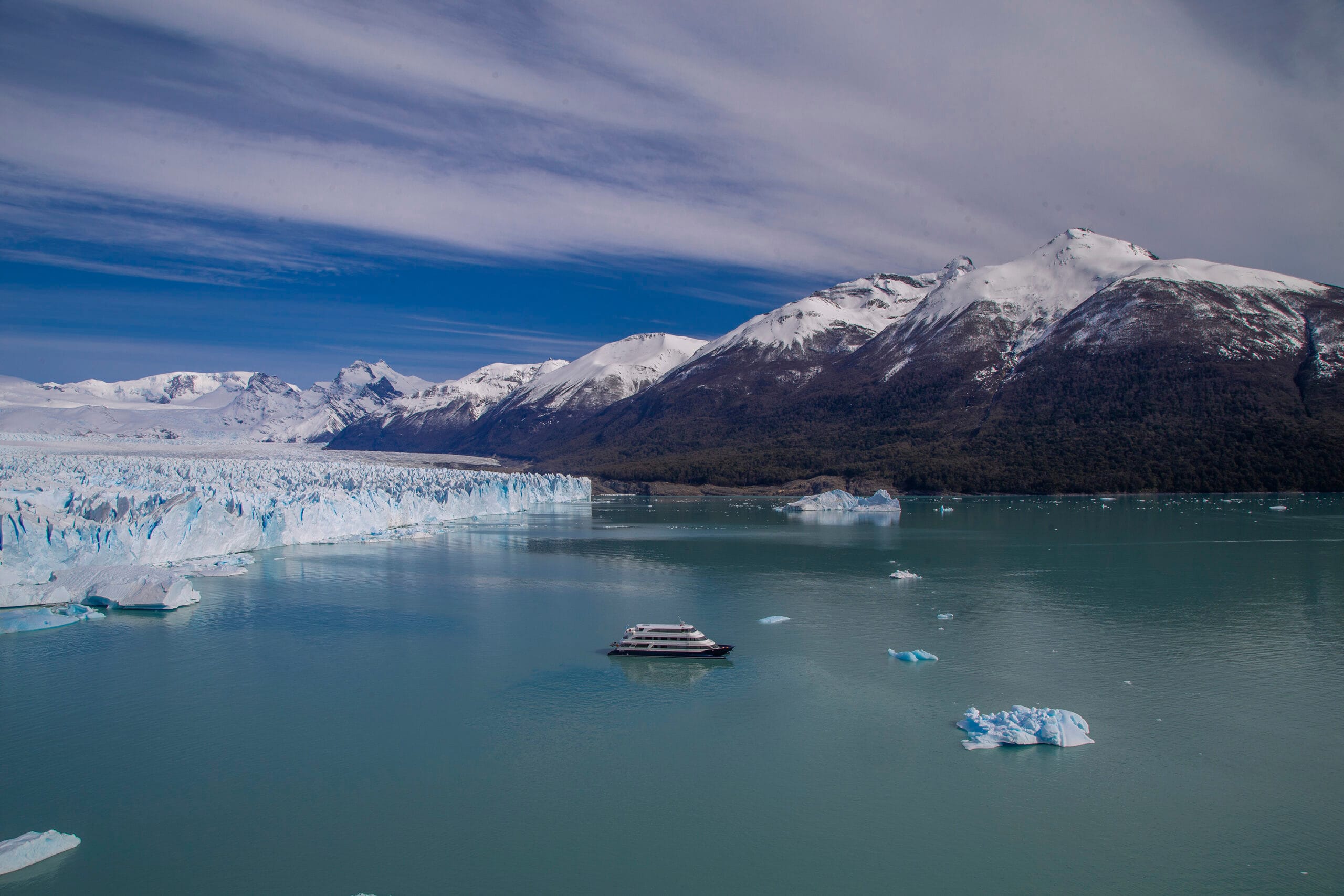
To help us picture a wider map, Dá introduced Peru’s eight natural regions, or ecological “floors,” as described by Peruvian geographer Javier Pulgar Vidal. The Pre-Expedition groups had traveled to lesser-visited destinations across five of those regions. Each group shared highlights from its journey and chose an object that captured a personal memory.
From Chachapoyas came a clay vessel shaped by Clotilde, a local potter. Those who traveled to Paracas and Nasca brought scallops from a dive with Gregorio and his son Rubén. The Titicaca and Tinajani group placed ceramic fragments on a bed of rice to recall a gesture of hospitality. A sample of water from the Amazon headwaters represented the journey from Cusco to Colca, while those who visited the Cordillera Blanca showed us litter they had collected beside a glacial lake. The routes crossed strikingly different landscapes. Most of the stories centered on the people the Expeditioners had met along the way.
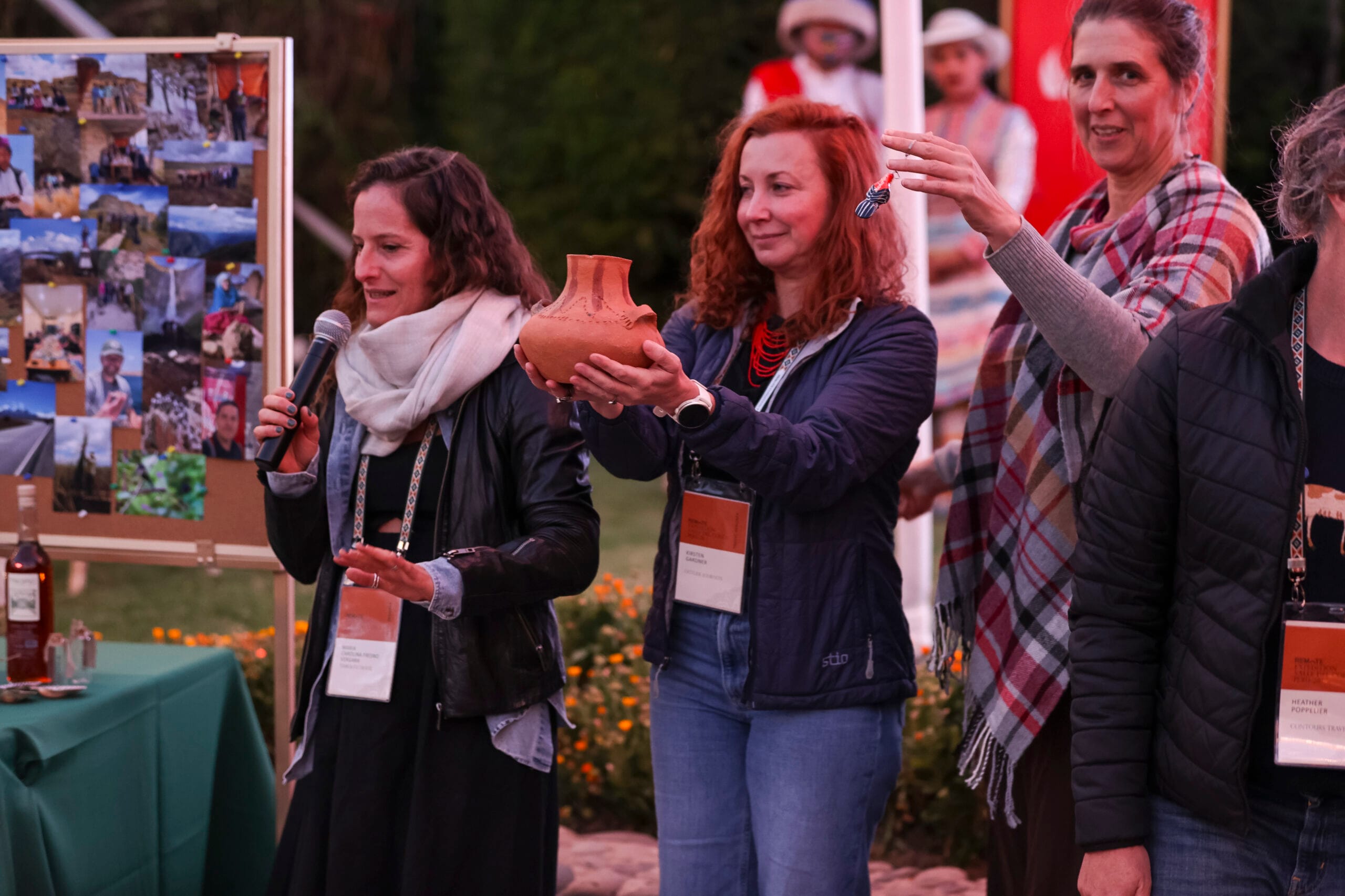
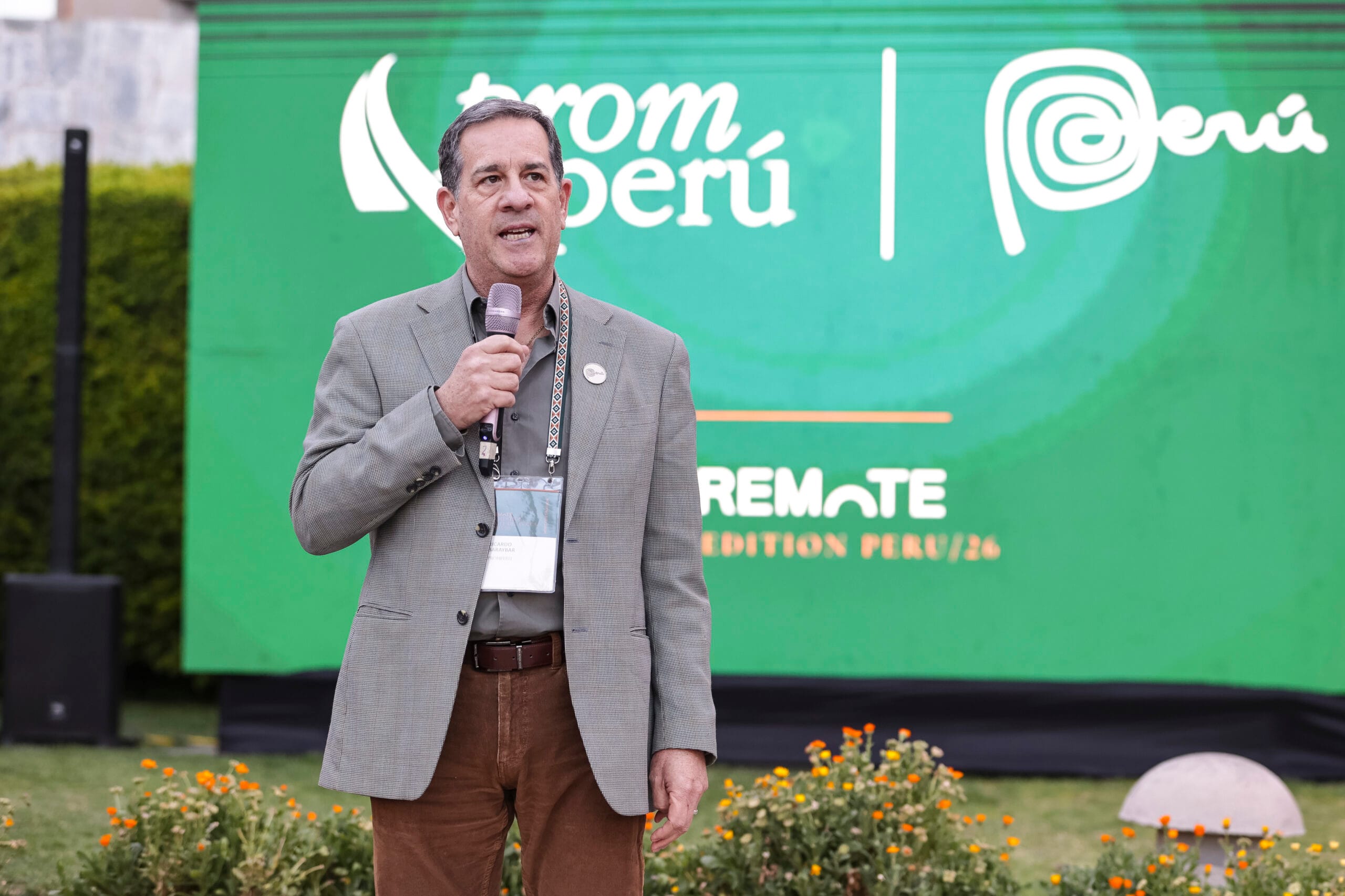
“We have walked through eight different floors — and Machu Picchu is only on one,” Dá said. We talked about how adding other regions, spreading visits across seasons, and building trust with local partners could give travelers reasons to stay longer or come back. As Ricardo Baraybar, Incoming Tourism Deputy Director at PROMPERÚ, put it, “Instead of thinking about bringing more tourists to the country, we have to think about how we better manage tourism.”
Night 2 How
How can tourism engage with living cultures in a way that stays meaningful, respectful and authentic?
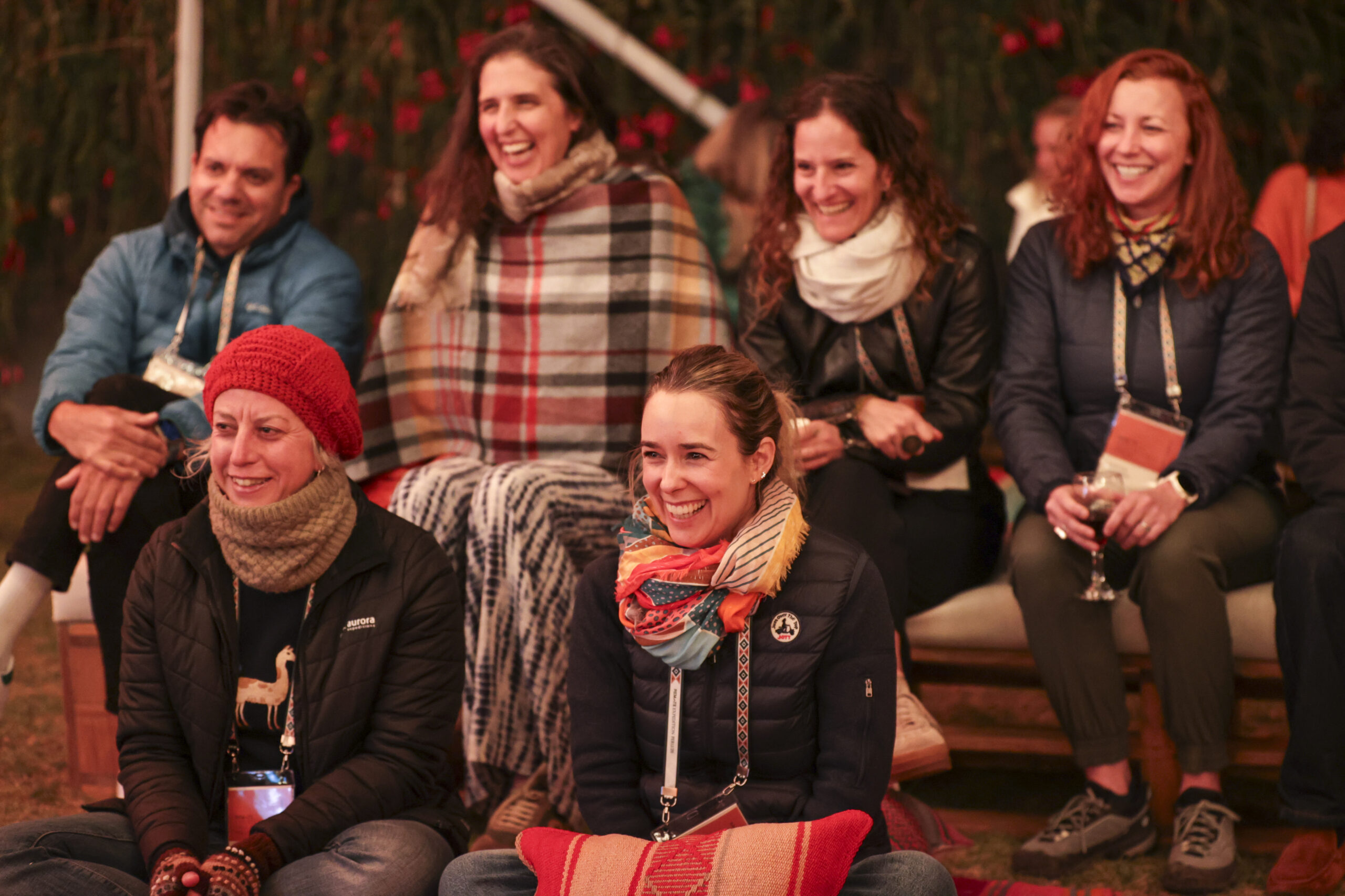
On the second evening, the Andean principle of ayni, or reciprocity, guided our discussion. What would change if we listened to local hosts before designing an itinerary? Our 65 Expeditioners were divided into smaller groups to explore different questions around this central theme, giving everyone the opportunity to actively participate, share their perspectives and exchange ideas.
We talked about how communities can make their own decisions about what to share and how to share it, and how they can benefit from tourism. For those of us designing trips, that starts with asking better questions and giving relationships time to grow. We ended the evening by sharing a delicious pachamanca, a traditional Andean meal cooked underground.
Night 3 What’s next
What kind of tourism do we want to cultivate in Peru — and what can each of us realistically do?
On our final evening, four groups making different sounds gradually found a shared rhythm. Then we each wrote down one thing we could do as soon as the following Monday to start shaping the kind of tourism we want to see. That might mean giving travelers more time in one place or bringing local hosts into the conversation earlier.
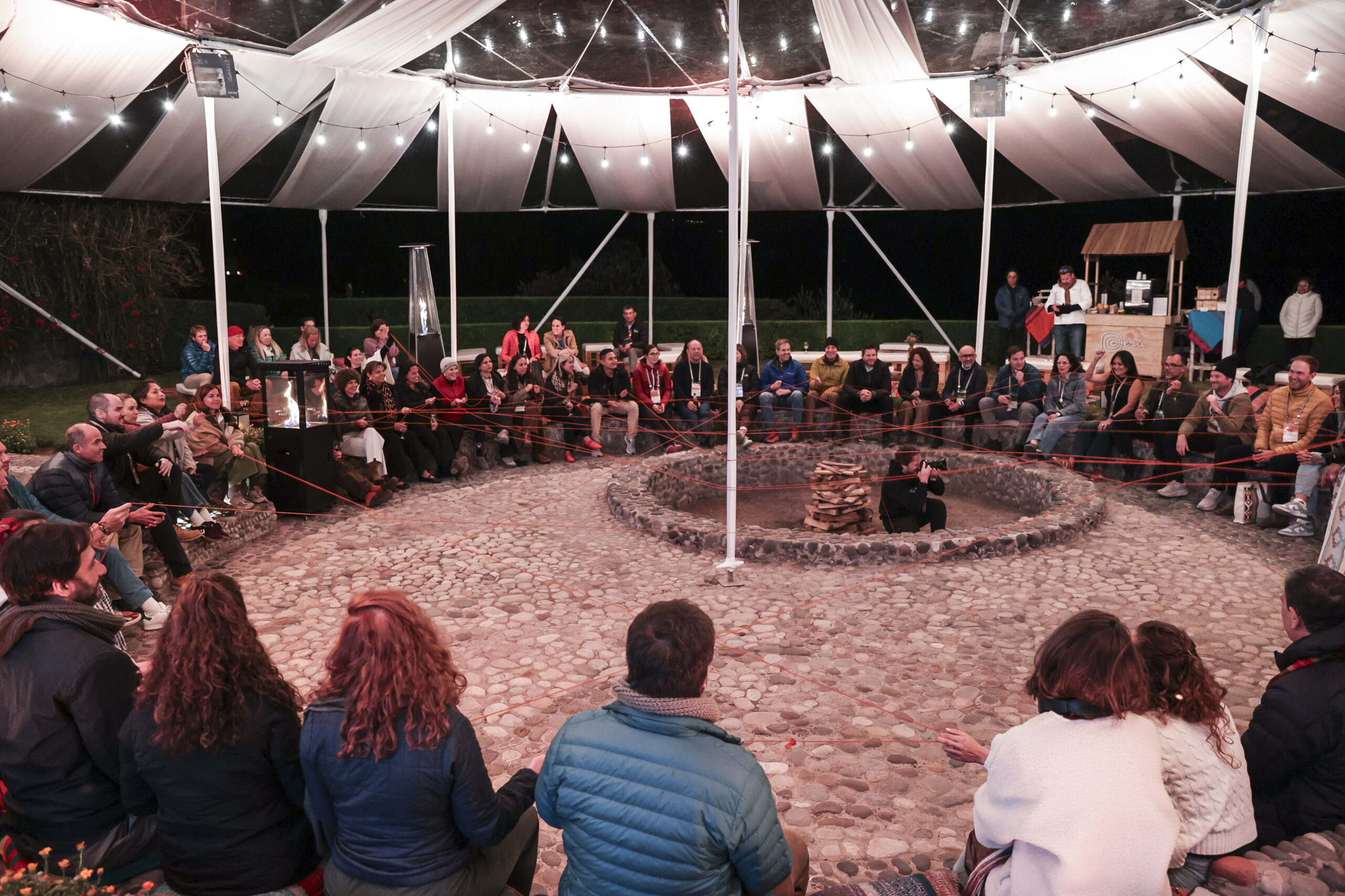
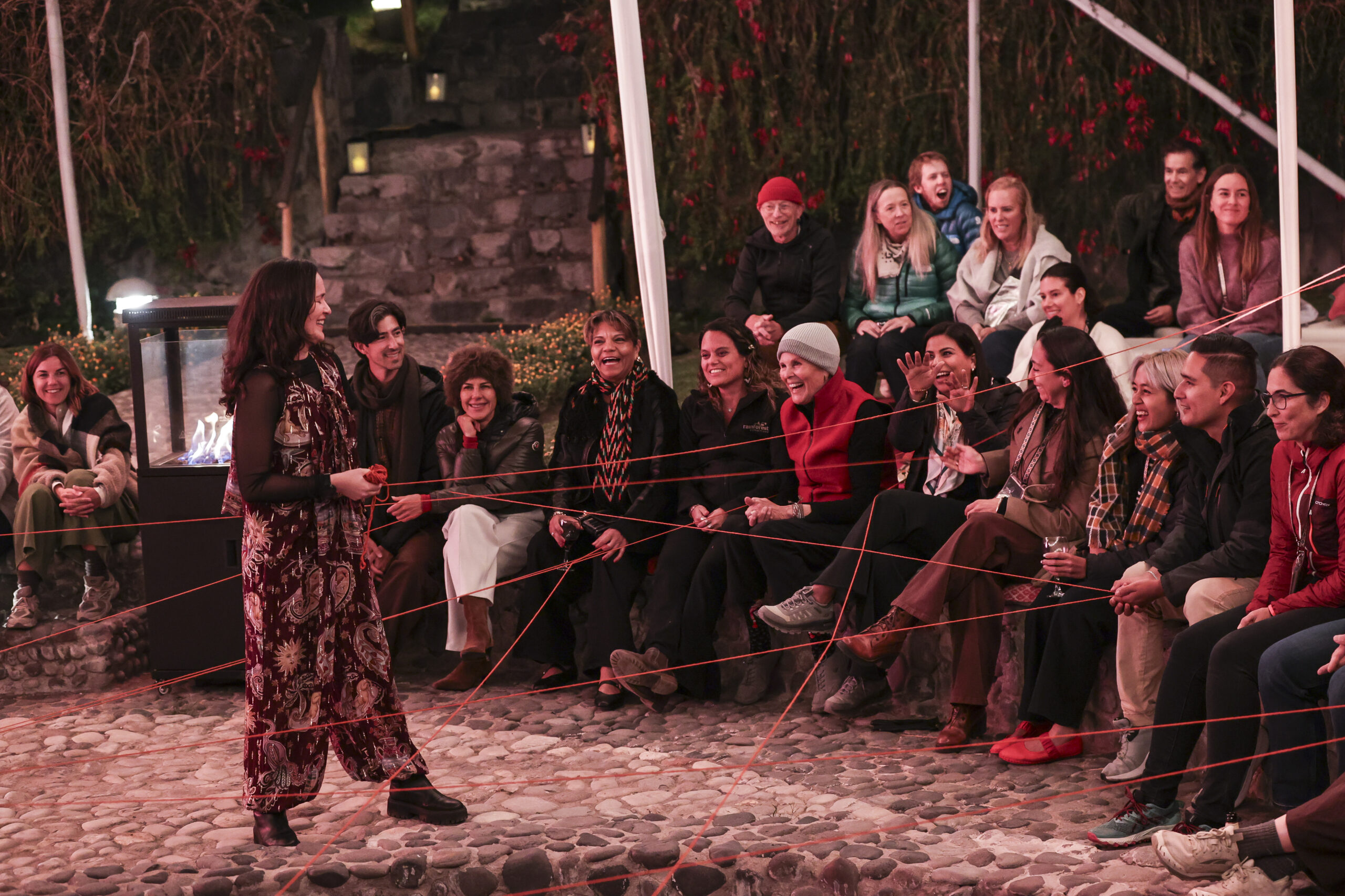
We ended by passing a ball of thread around the circle, with each Expeditioner offering one word to describe what they were taking home — inspiring, Pachamama, happy, grateful, meaningfulness, bonding, companionship, unforgettable, friendship, connected, present, roots, learning, proud, love, reciprocity, and simplicity. After the final pass, we were all holding part of the same web.
Learn more: Building the Future of Tourism in Peru, Together
What we’ll carry forward
Five ideas kept coming up across all three evenings of the REMOTE Circles. We’ll take them with us as we design trips, work with local partners, and plan future gatherings.
- People make journeys unforgettable. Our Expeditioners traveled to very different parts of Peru, and the stories they kept coming back to were about the people they met along the way.
- Make room for more of Peru. Machu Picchu can be the reason someone first visits Peru. Exploring beyond it gives travelers a fuller picture of the country and more reasons to return.
- Plan for where people go, when they visit, and who benefits. Diversifying routes and spreading visits across seasons can help manage tourism. Local communities should have a say in those decisions and share in the benefits.
- Better journeys begin with deeper listening, better questions, and trust. DMCs and travel designers can create better journeys together by asking more thoughtful questions, sharing fuller briefs, and speaking honestly about what works for travelers and hosts.
- Keeping it small creates space for deeper connections and bigger ideas. Sitting together in a circle gave us time to listen, connect, and build on each other’s ideas. This also applies to travel.