Six travel leaders. Honest reflections on the choices, values and ideas that have shaped their journey, and continue to influence the future of independent travel in Latin America.
As we celebrate 10 years of REMOTE Latin America, we are also taking a moment to recognize the people who have been part of our journey from the early days — and who have helped shape it along the way.
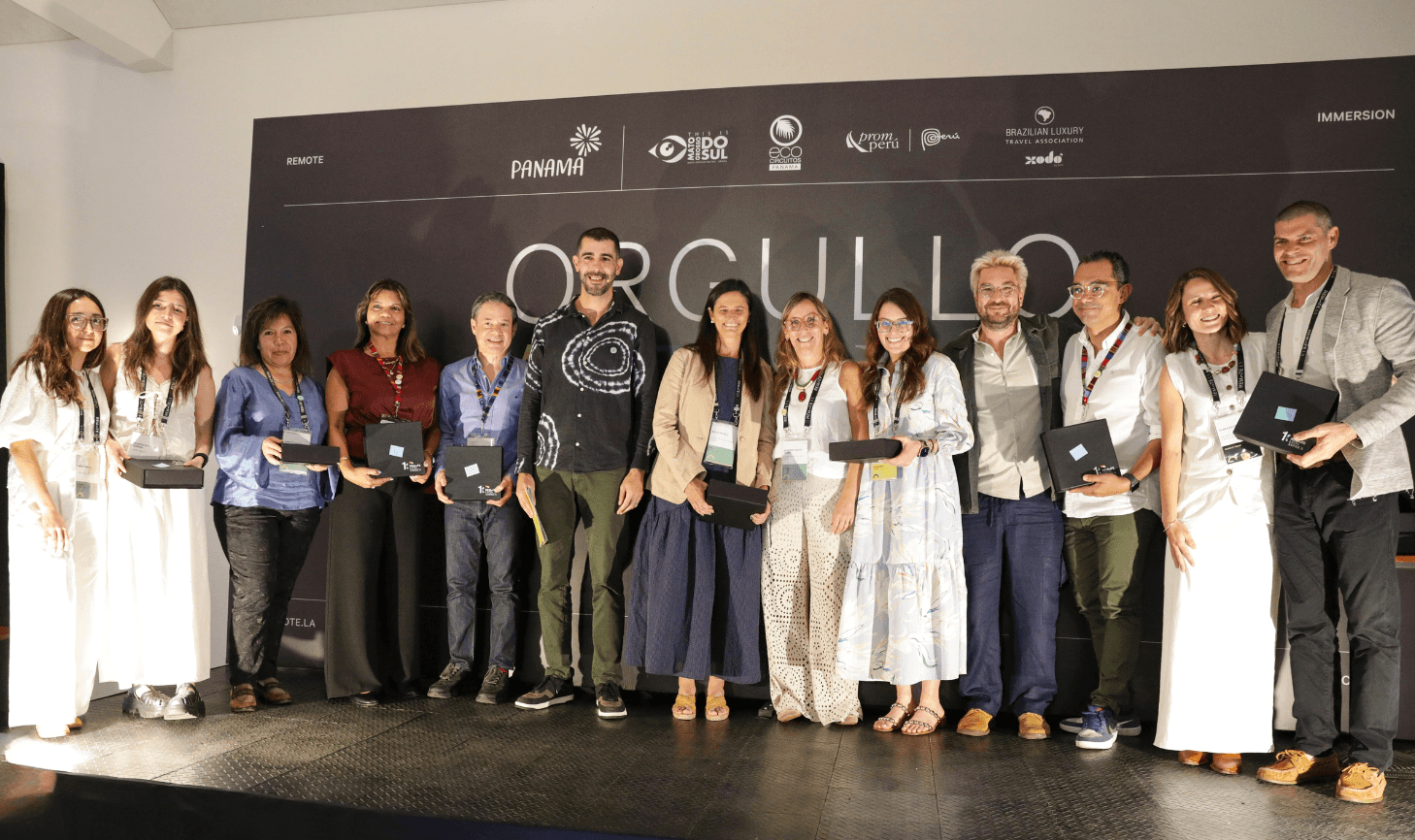
Among them are 19 companies that have joined us for seven, eight, nine, or even all 10 editions of REMOTE Immersion. They are the ones who believed in this community before its vision was fully formed, kept coming back, and became an essential part of what REMOTE is today.
We proudly call them the REMOTE Pioneers.
They represent the spirit of independent, small-scale and responsible travel that has always been at the heart of our community: businesses rooted in their destinations, committed to meaningful experiences, and driven by a desire to do things differently. Their stories, choices and leadership have helped shape not only their own journeys, but also the wider movement toward a more conscious and locally connected future for travel in Latin America.
As part of our 10th anniversary celebrations, we decided to listen to some of them. We asked six REMOTE Pioneers three simple questions about the values they hold closest, the decisions that shaped their businesses, and the advice they would pass on to the next generation of travel leaders. Their answers offer an honest glimpse into the journeys behind these inspiring companies and, we hope, a little inspiration for many more journeys still to come.
Paola Perelli
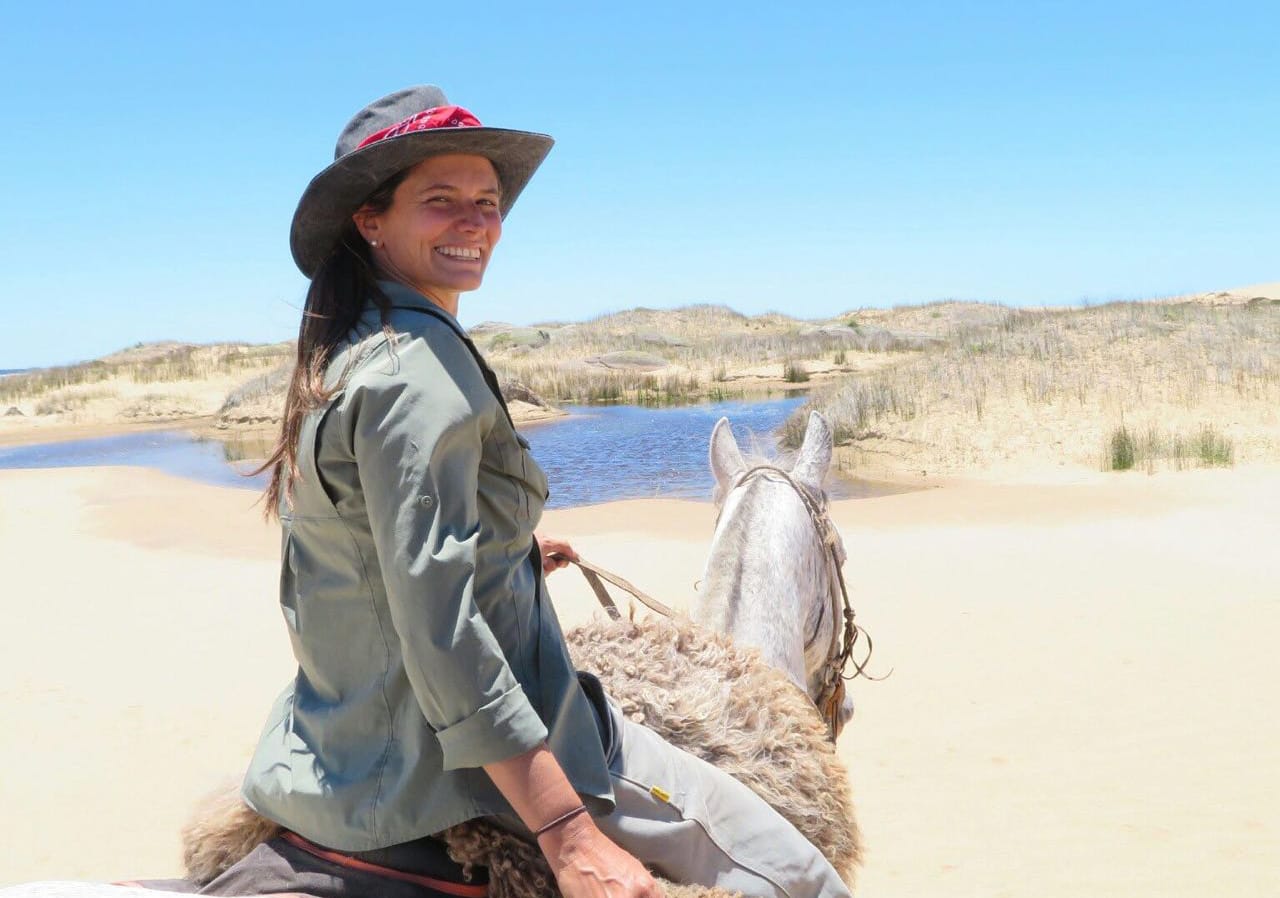
1) Looking back, what decision has shaped your business the most?
Having the courage to build Lares from our own perspective. We chose to do things differently, putting the experience, the people, and our deep knowledge of Uruguay at the center, rather than trying to replicate models that were already working in the market when we arrived. That decision helped define our identity and allowed us to build long-term relationships with suppliers and clients who value precisely that perspective.
2) What is one value that guides the way you work and that you would never compromise on?
Honesty. In tourism, we work with people, with expectations, and with something as valuable as their time. For me, it is essential to be transparent, deliver on what we promise, and when something doesn’t go as expected, take responsibility and look for a solution. I believe trust is built precisely in those moments.
3) If you could leave one message for the next generation of travel leaders, what would it be?
Be curious, but don’t lose the human touch. Technology, artificial intelligence, and new business models are going to profoundly transform our industry. But tourism is still, above all, a people business. We should never let the pursuit of efficiency make us forget the ability to listen, surprise, care about the details, and, above all, create genuine connections. I believe that is what will make the difference between simply selling trips and truly creating experiences that people remember — and that can be transformative.
Jascivan Carvalho
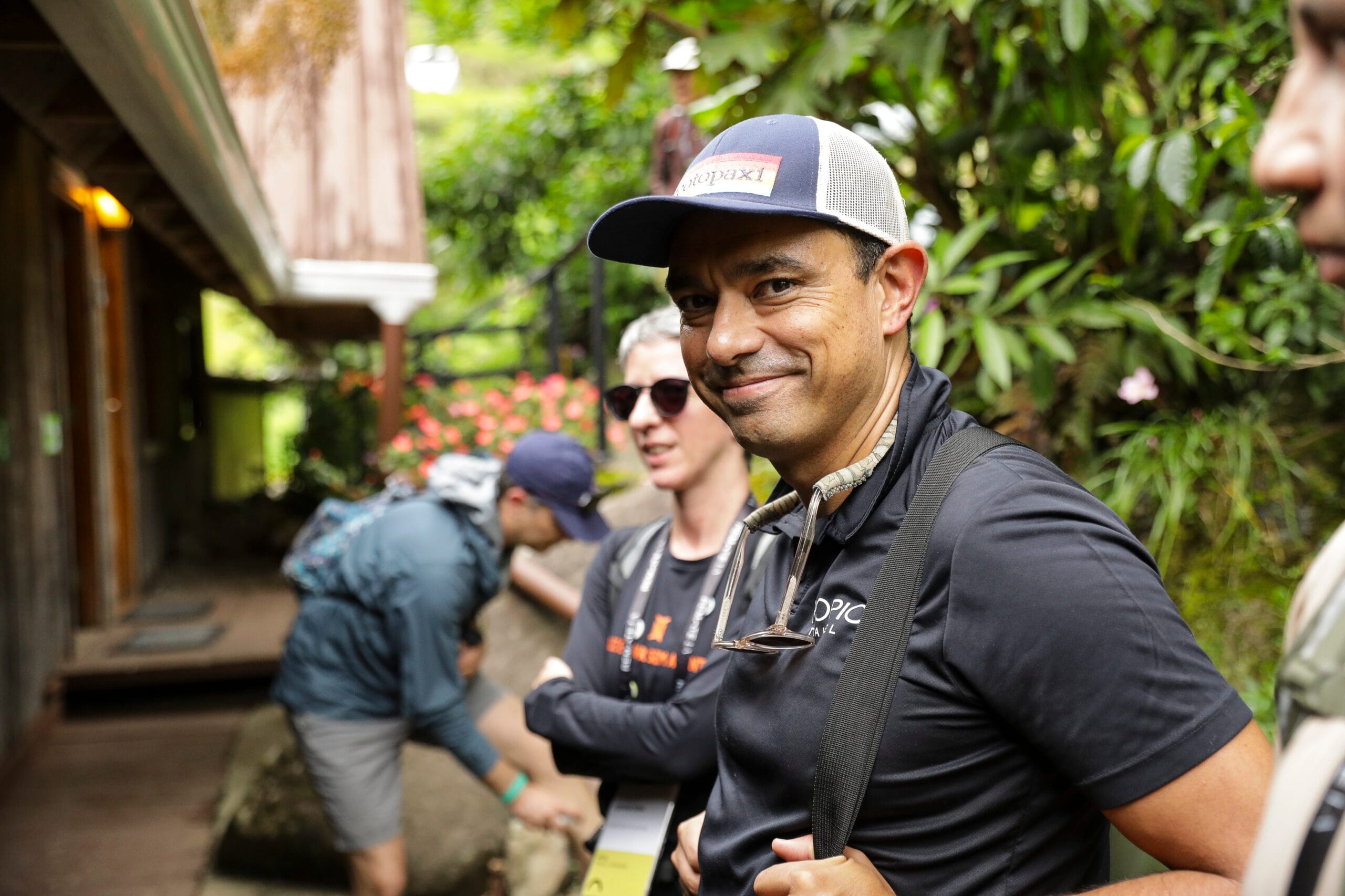
1) Looking back, what decision has shaped your business the most?
Paradoxically, it wasn’t a decision about growth, but one of the most difficult decisions in our history: closing the Huaorani Ecolodge, also known as Wao Lodge. At the time, it felt as though we were losing a fundamental part of the company. Today, looking back, I see that the experience forced us to mature. It broadened our understanding of what it means to work with communities in remote places. We learned that it is possible to maintain a deep commitment to communities without compromising our own values, our responsibility toward travelers, or the sustainability of the business. That loss ultimately gave us clarity about who we wanted to be and shaped the company we have built ever since.
2) What is one value that guides the way you work and that you would never compromise on?
Trust. Our business is built on long-term relationships — with clients, partners, communities, and, above all, our team. That means never sacrificing a lasting relationship for a short-term gain. Over the years, we have learned that consistency builds trust. And trust is the most valuable asset a company can build. It takes years to earn and can be lost in an instant.
3) If you could leave one message for the next generation of travel leaders, what would it be?
We live in a time when it is very easy to copy the appearance of a successful business. With so many marketing and technology tools available, any project can be made to look extraordinary. What is harder, and what truly makes the difference, is building the essence. That takes time, knowledge, expertise, reflection, and a willingness to do the work that no one sees. The most transformative destinations and the strongest businesses were not born from marketing strategies, but from years of listening to people, learning from mistakes, and building genuine relationships.
My hope for the next generation is that they don’t fall in love only with the commercial side of tourism, but also with the privilege — and the responsibility — of helping develop destinations, strengthen communities, and leave a legacy that continues to exist long after the journey has ended.
Janette Simbron
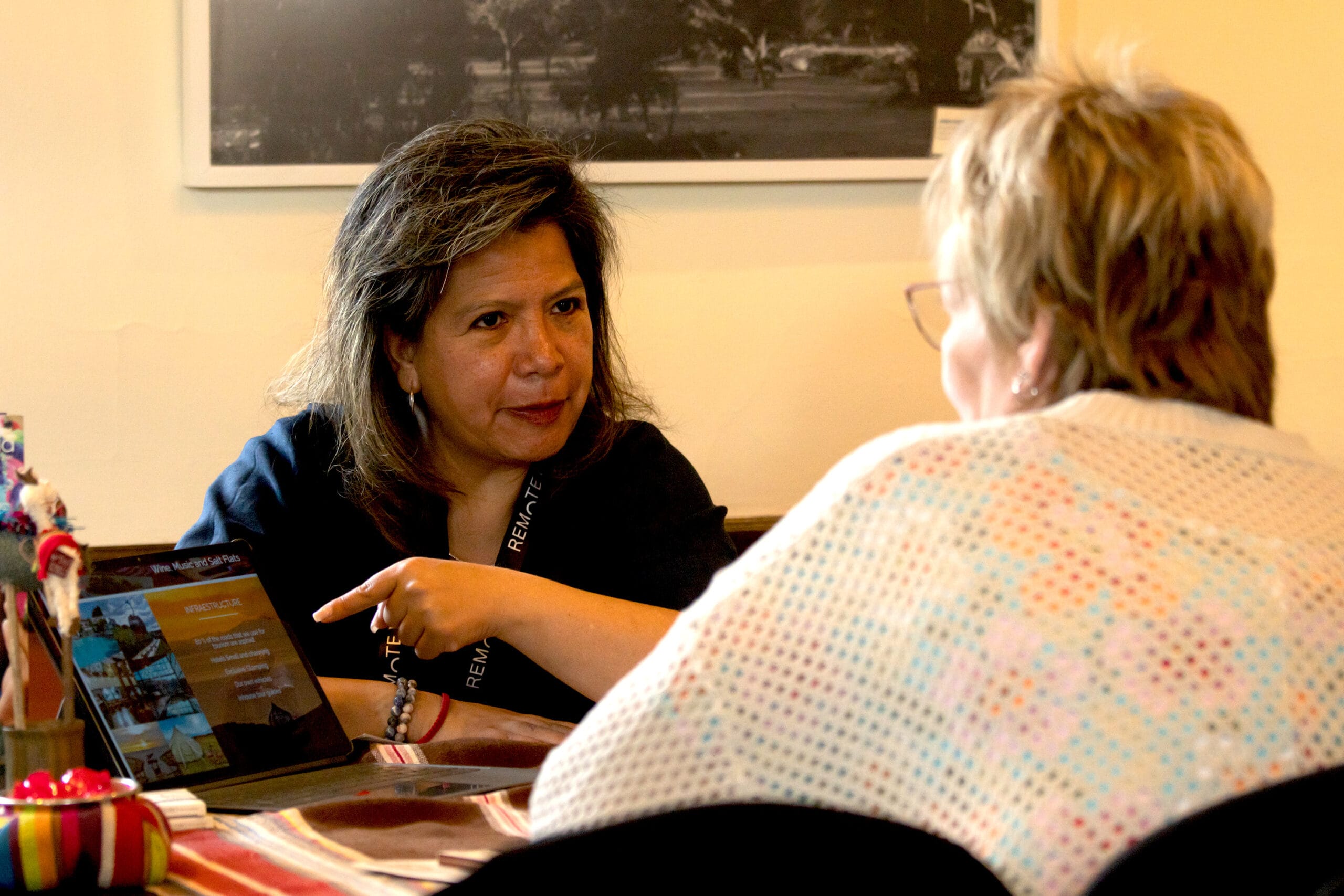
1) Looking back, what decision has shaped your business the most?
The decision not to grow in volume when the industry was pushing me in exactly that direction. In a sector where success is often measured by the number of passengers, Bolivia Milenaria chose to focus on the quality of every experience we design. We understood early on that operational diversification could compromise what set us apart: curation. The ability to oversee every service, know every supplier, and ensure that what we promise travelers is exactly what is delivered — without intermediaries, without delegation, and without losing control over our standards.
Curation became the DNA of Bolivia Milenaria, inseparable from the sustainability principles that guide every operational decision. That model probably cost us clients looking for scale, but it allowed us to build lasting relationships with those seeking excellence — not as a marketing promise, but as a daily practice grounded in deep knowledge of the territory and the communities who call it home. I would not change that decision, because it is the one that defines everything else.
2) What is one value that guides the way you work and that you would never compromise on?
Honesty and transparency, understood not as a corporate policy, but as an intellectual and ethical stance toward the destination. We know Bolivia from the inside: its extraordinary landscapes, its communities, its structural challenges, and its genuine resilience. And we convey that to our clients — not only what is beautiful and easy to sell, but also what is complex, fragile, and urgent. That honesty does not drive away the right travelers; it prepares them for a more authentic and meaningful experience.
The curation we practice is not designed to optimize a sale. It is designed to maximize what travelers can absorb, understand, and take away from a destination that is still largely unexplored. That requires going beyond immediate commercial gain and understanding who the traveler in front of us is, what might transform them, and what they will continue to process long after they return home. We sell Bolivia with conviction and pride. Not because it is a destination without contradictions, but because I believe in what it is and what it can become. That conviction, deeply connected to a passion for the destination, is what I would never be willing to compromise.
3) If you could leave one message for the next generation of travel leaders, what would it be?
Value the raw material you work with. Tourism operates on territories, cultures, and ecosystems. They are its foundation. And unlike other productive resources, once they are destroyed, they cannot simply be restored. No investment can return a degraded ecosystem to what it once was. No campaign can bring back a culture that has been lost. No technology can rebuild what took millennia to form.
Tourism extractivism exists. It is real. And it often arrives disguised as growth, success, or opportunity. It happens when promotion outpaces management. When visitor numbers grow faster than standards. When the communities that sustain the experience do not share in its benefits. When no one takes responsibility for what is being consumed because business is doing well and no one wants to ask uncomfortable questions.
Take care of what you have in your hands. Not only because it is the right thing to do, but because if it is not protected, there will be nothing left to sell. Tourism’s raw material is irreplaceable. Those who fail to protect it are not only putting a destination at risk. They are putting the future of the entire industry at risk.
Guilherme Padilha
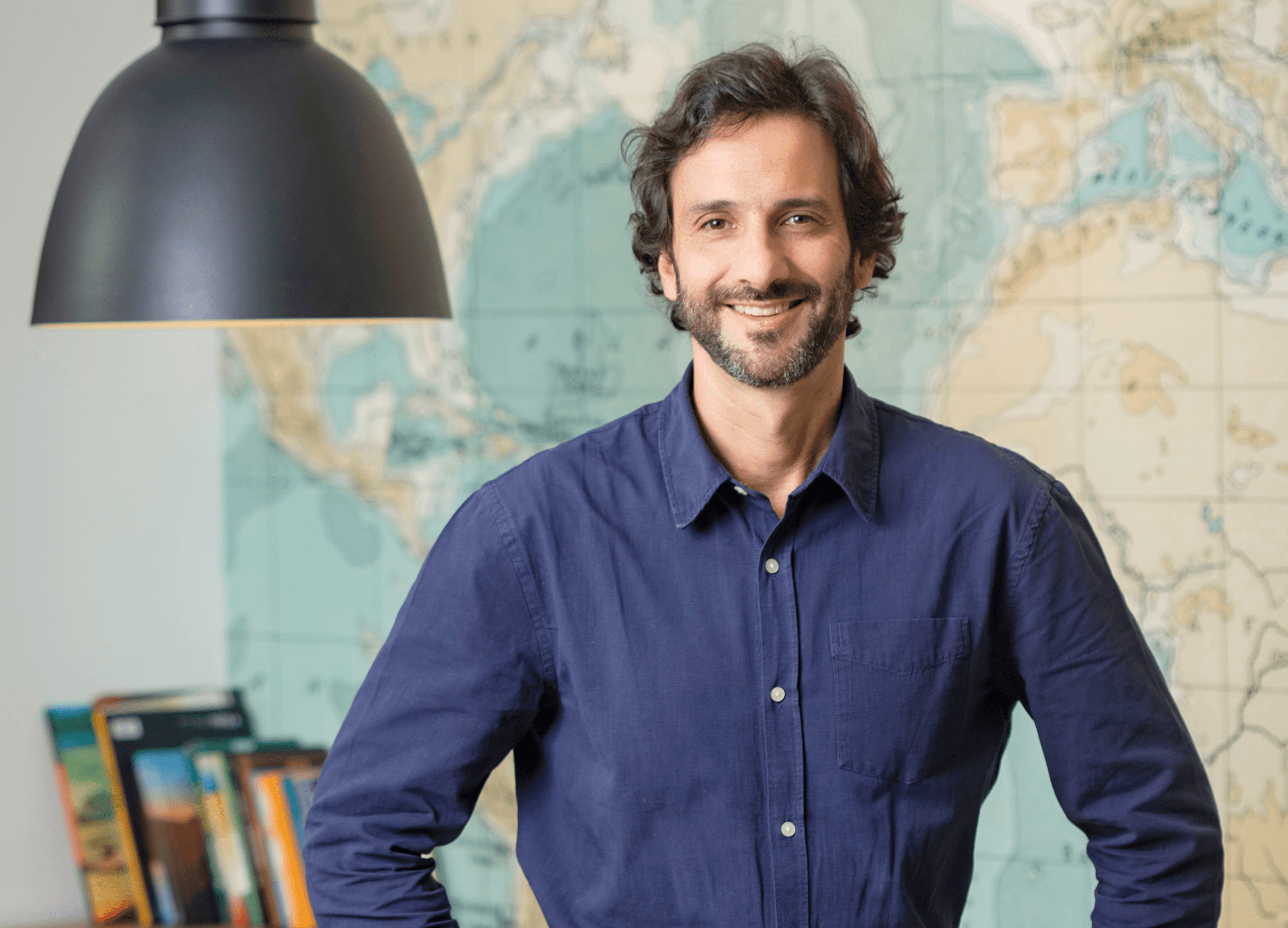
1) Looking back, what decision has shaped your business the most?
It all started in Chapada Diamantina. On one of our first teenage trips, we took on the trail from Cachoeira da Fumaça to Vale do Capão. At the end, while eating jackfruit pastries at the first little bar we came across, we found ourselves imagining that our dream job could actually be this: traveling to incredible places and creating a bridge between people, places, and visitors. Without knowing it, Auroraeco was born there.
The decision that shaped the business the most was turning that intuition into a method. We returned to Chapada frequently, built strong relationships with local residents, put together a team of friends from the region, and committed to offering attentive, high-quality service in remote, nature-based destinations, always through active journeys centered around hiking and cycling. This combination — connecting travelers with local communities and delivering excellence in places few people know — is what defines Auroraeco to this day, across all the destinations we operate.
2) What is one value that guides the way you work and that you would never compromise on?
The care we put into truly immersing ourselves in each destination before bringing anyone there. From the beginning, we have made it a point to immerse ourselves in and experience each destination firsthand, going beyond inspection trips to discover little-visited corners, find the right people to welcome travelers, and identify guides who know the region’s hidden secrets.
This is connected to a greater value: creating positive tourism. We want to leave the majority of the revenue with local residents, work with sustainable hotels, and support environmental and educational projects in the places where we operate. To me, a journey only makes sense if it creates a positive impact throughout the entire chain involved.
3) If you could leave one message for the next generation of travel leaders, what would it be?
Find a purpose in your work that goes beyond the business itself. I started Auroraeco when I was 18, knowing absolutely nothing about running a company or about tourism. What has motivated and sustained me throughout all these years is the excitement of discovering new places, experiencing different cultures, and understanding how everything is connected.
Over time, that why has matured and taken on even greater meaning as I realized that travel can be a way to preserve nature, value ancestral traditions, and strengthen communities. I carry with me a verse attributed to Neruda that I learned in Chile and that sums up what I believe: “He dies slowly who does not travel.” Tourism, when done well, is a bridge between people. Take care of that bridge with love and gratitude.
Gisela Polo
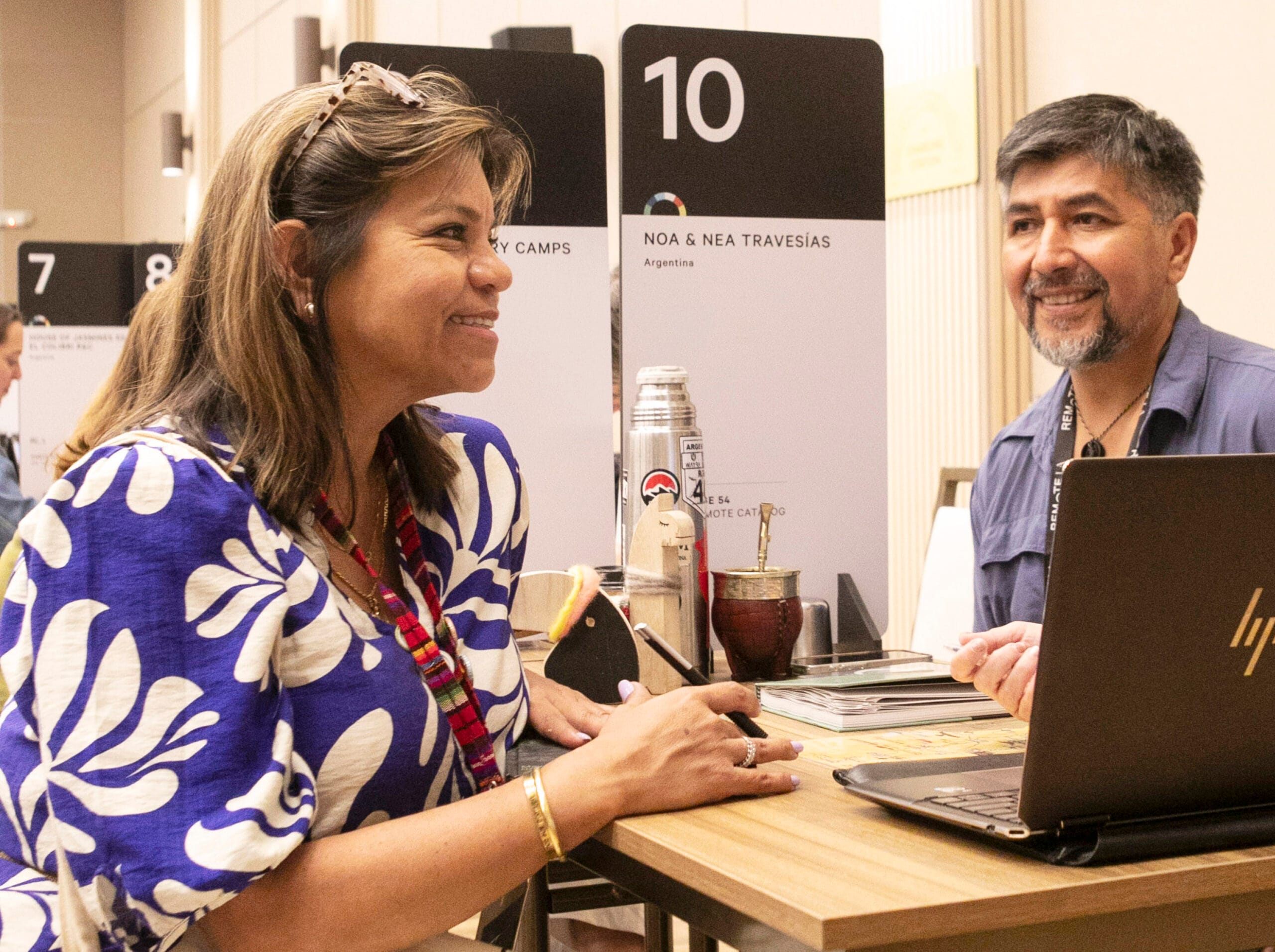
1) Looking back, what decision has shaped your business the most?
When I look back, I believe the most important decision I made was realizing that this business has never been about selling travel; it has always been about building trust. Throughout my career, I have consistently chosen to invest in long-term relationships rather than pursue short-term results. I have been intentional about working with partners who share our values of quality, authenticity, and a genuine commitment to the destinations we represent.
That philosophy has allowed me to build a trusted network of partners across Latin America and create meaningful journeys that leave a lasting impression on travelers. For me, the greatest achievement is not simply designing exceptional itineraries, but knowing that every experience has been thoughtfully crafted with integrity, respect, and a deep appreciation for the people and places that make each destination unique.
2) What is one value that guides the way you work and that you would never compromise on?
Integrity. I truly believe that our reputation is our greatest asset. Throughout my career, I have always strived to recommend only what I genuinely believe in, to be transparent with my clients, and to honor my commitments.
In luxury travel, the true differentiator is not simply offering the finest hotels or the most exclusive experiences. It is giving clients the confidence and peace of mind that someone is looking after every detail with the same level of care and dedication they would give to their own family.
3) If you could leave one message for the next generation of travel leaders, what would it be?
Never lose your sense of wonder. Travel has the power to transform the way we see the world. But those of us who work in tourism also have a responsibility to protect the very places and cultures that make our destinations so unique.
Listen to local communities, value authenticity, and remember that every journey can leave behind more than memories. It can create opportunities, help preserve cultural heritage, and contribute to a better future. In the end, our legacy will not be measured by the number of travelers we served, but by the lives we touched and the destinations we helped preserve for future generations.
Inés Orihuela
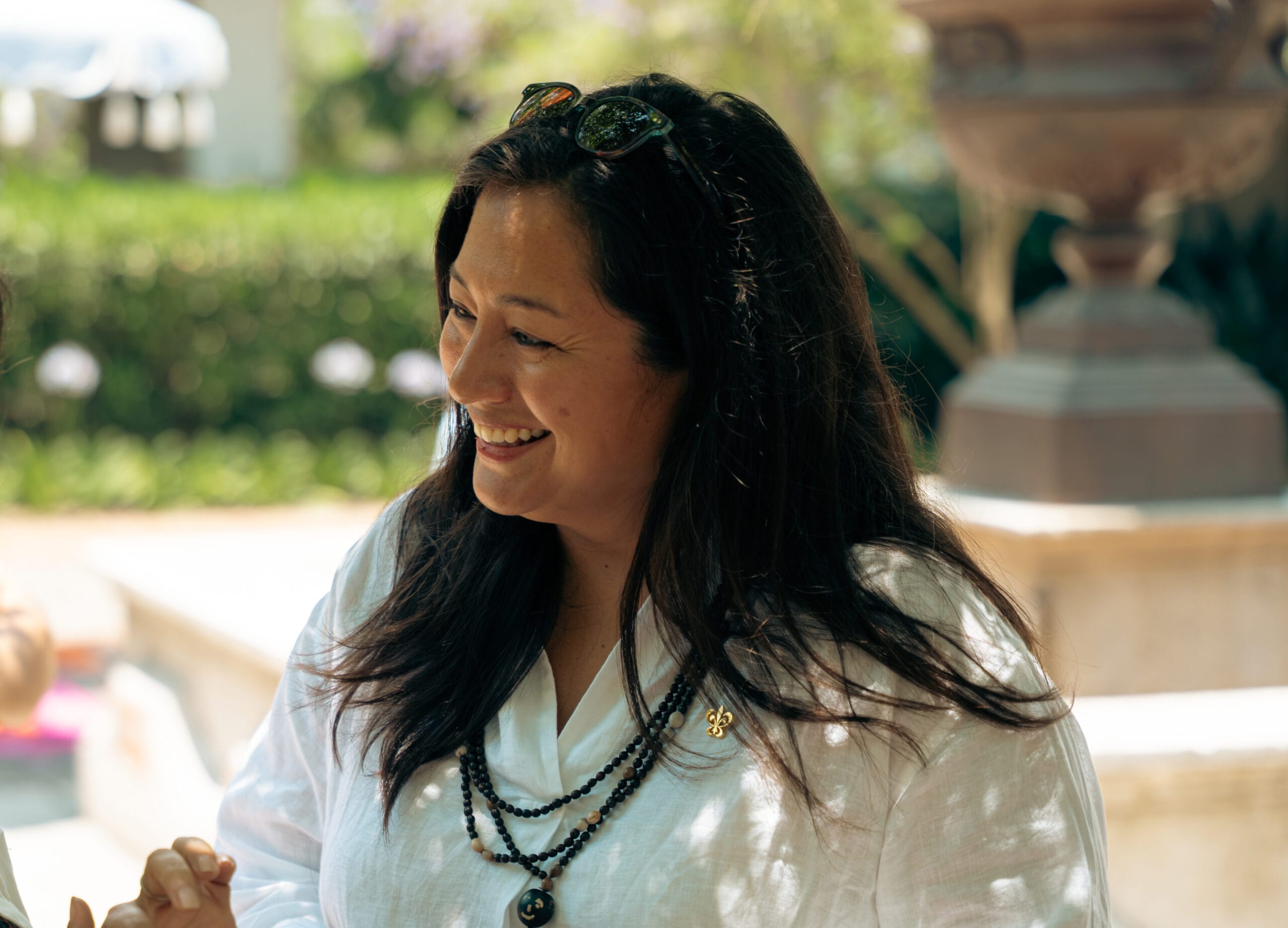
1) Looking back, what decision has shaped your business the most?
For me, it was the decision to believe in what we have here in Peru and to stay committed to developing it. Delfin was born from a very strong belief that the Peruvian Amazon deserves to be experienced in a way that is authentic, elegant and deeply connected to its people and its culture. We were pioneers in luxury Amazon cruising, and I think one of the most important decisions we have made has been to keep investing in Peru, rather than looking elsewhere for the next opportunity.
That decision has shaped everything we do. We continue to dream about new projects, new expedition journeys and new ways of experiencing the Amazon. We love creating experiences and personalizing them for our guests. I am personally very flexible when it comes to reservations because I believe that hospitality is about understanding the person in front of you, not just following a set of rules. I also feel very fortunate to have the trust of Aldo and Lissy Macchiavello, the owners of Delfin. They are a wonderful family, and for all these years they have given me the confidence and freedom to lead Sales and Promotion with a lot of heart.
And I am equally grateful for the team I have around me. Sharon Del Rosario in Sales and our entire Reservations team are people who genuinely care about hospitality. So, perhaps the biggest decision was not one single business decision. It was choosing to believe in our own country, our own people and what we can create here, and continuing to invest in that belief.
2) What is one value that guides the way you work and that you would never compromise on?
Authenticity. I believe you cannot create a truly meaningful luxury experience if you are trying to be something you are not. We are Peruvian, we are Amazonian, and we are very proud of that. Our luxury comes from our people, our culture, our food, our stories, our warmth and our connection to this extraordinary place.
For me, authenticity also means doing things with heart. I want our guests to feel that what we offer is real, that the people welcoming them genuinely care, that the experiences have been created with intention, and that the connection with the Amazon goes beyond what they see during their journey.
And today, authenticity is inseparable from sustainability for us. Over the past year, we have developed BIOREST – Biocultural Restoration, because we realized that loving our home also means helping restore it. Parts of the forest around the communities have become what I would call “tired” or “worn out.” We are working with three communities with whom we have signed agreements, helping provide native plants that can improve nutrition, recover traditional medicinal plants, preserve plants and seeds used in local handicrafts, and develop products that communities can eventually commercialize. We are also working on conservation projects involving species that are approaching endangered status. For us, this is not simply a sustainability program. It is a commitment to our home.
3) If you could leave one message for the next generation of travel leaders, what would it be?
Believe in what is yours. Don’t be afraid to build something from your own roots. In a world where so many destinations and experiences can start to look alike, I think the future belongs to those who have the courage to be authentic.
If you are lucky enough to work in a place as extraordinary as the Amazon, protect it. If you work with local communities, listen to them and make sure they are part of the future you are creating. We are fortunate to have the opportunity to develop something in our own countries, don’t underestimate the value of that. Tourism can be much more than bringing people from one place to another. It can create pride, protect culture, restore nature and give communities new opportunities.
I also believe that hospitality is ultimately about people. Be flexible. Listen. Personalize. Take care of your team, because when your team feels valued and works with harmony, the guest feels it too. As I said during our REMOTE panel discussion in Guatemala, the importance of forging these relationships at different commercial chain levels is all about flexibility and, most importantly, RESPECT.
I am very grateful to be part of Delfin and to have been given the opportunity to help tell the story of Peru and the Amazon to the world. I hope the next generation of tourism leaders never forget that behind every journey there is a person, a community, a place and a story, and that we have a responsibility to leave all of them better than we found them.